A private label manager once told me, "We are not worried about selling beans. We are worried about getting the beans onto shelves the same way, every time." It was not a product conversation. It was an execution conversation. Because in dry commodities, the difference rarely lives in the ingredient. It lives in whether your private label packaging partner can hit the details, keep things consistent, and adapt when the real world changes.
That is why growth tends to happen in two places: how products are packed, and how they move across markets. When those two parts are handled with precision, private label programs scale smoothly. When they are not, brands stall, timelines slip, and costs creep in.
At CVAE, Inc. (Central Valley Ag Exports, Inc.) in Visalia, California, we work close to farmers, families, and the community, and we take pride in building packaging operations that support the people behind the product. Our focus is high-quality dry commodity packaging with the flexibility private label projects require, from first inquiry through repeat orders.
Private label is won in the details
Private label packaging is a brand promise, sealed into a bag. Your customer sees the label, the fit and finish, and the consistency from one purchase to the next. Behind the scenes, private label managers are managing specs, timelines, packaging materials, freight decisions, and the expectation that every case will match what was approved.
For dry commodities like beans, oatmeal, and popcorn, the standards can be deceptively demanding. You may be comparing grades or sizes, managing how the product presents in the bag, or dealing with how packaging performs in storage and transport. Even small deviations can create big downstream issues, especially when a retailer expects uniformity across a full program.
Execution means having a partner that can:
-
Package to your requirements without turning the process into a maze
-
Keep quality and consistency at the center of every run
-
Adapt to real operational needs and changing demand
-
Communicate clearly so you are not chasing answers
The right packaging partner makes your job easier because they know what you are protecting: your timeline, your margins, and your brand.
Flexibility matters because private label never stays still
A private label program can change quickly. A buyer wants a different pack size. A retailer requests labeling tweaks. A new market calls for different packaging conventions. You might be launching a test run today and scaling to larger orders later.
That is where flexible packaging options become a competitive advantage. CVAE supports a wide range of packaging needs, including pallet orders all the way up to full truck loads, and packaging options that can fit different distribution realities. Whether you are planning for warehouse pickup or delivered freight, the goal is the same: remove friction so the program can move.
When packaging is flexible and communication is clear, private label managers spend less time untangling logistics and more time building a program that grows.
How to speed up a private label quote and production conversation
The fastest projects usually start with the clearest inputs. If you are evaluating packaging partners, a short, structured inquiry can save days of back and forth and help you get to accurate pricing and timing faster.
Here is what to include when you reach out about private label packaging for beans, oatmeal, or popcorn:
-
Commodity and specifications: what you are packaging and any key quality or grade expectations
-
Quantity: pallets, truckload goals, and whether this is a test run or an ongoing program
-
Packaging format and size: pack size, case pack, and any special packaging requirements
-
Labeling needs: private label artwork status, compliance considerations, and print specs if known
-
Pickup or delivery: FOB or warehouse pickup versus delivered freight, and where it needs to go
-
Special instructions: anything operational that affects handling, staging, or scheduling
Email is often the easiest way to start because it captures intent and scale in one place. From there, the conversation can move quickly toward a practical next step and a price list that matches what you actually need.
Moving across markets is part of the packaging story
Even when the core need is packaging, movement across markets is never separate from the decision. Freight terms, warehouse pickup, and delivery planning influence timelines and total cost. For private label managers, that means packaging choices have to align with where the product is going and how it will be distributed.
A strong partner helps you think through the full chain from packaging to outbound movement. The goal is simple: make it easier for your product to arrive the right way, at the right time, with fewer surprises.
The execution behind the brand
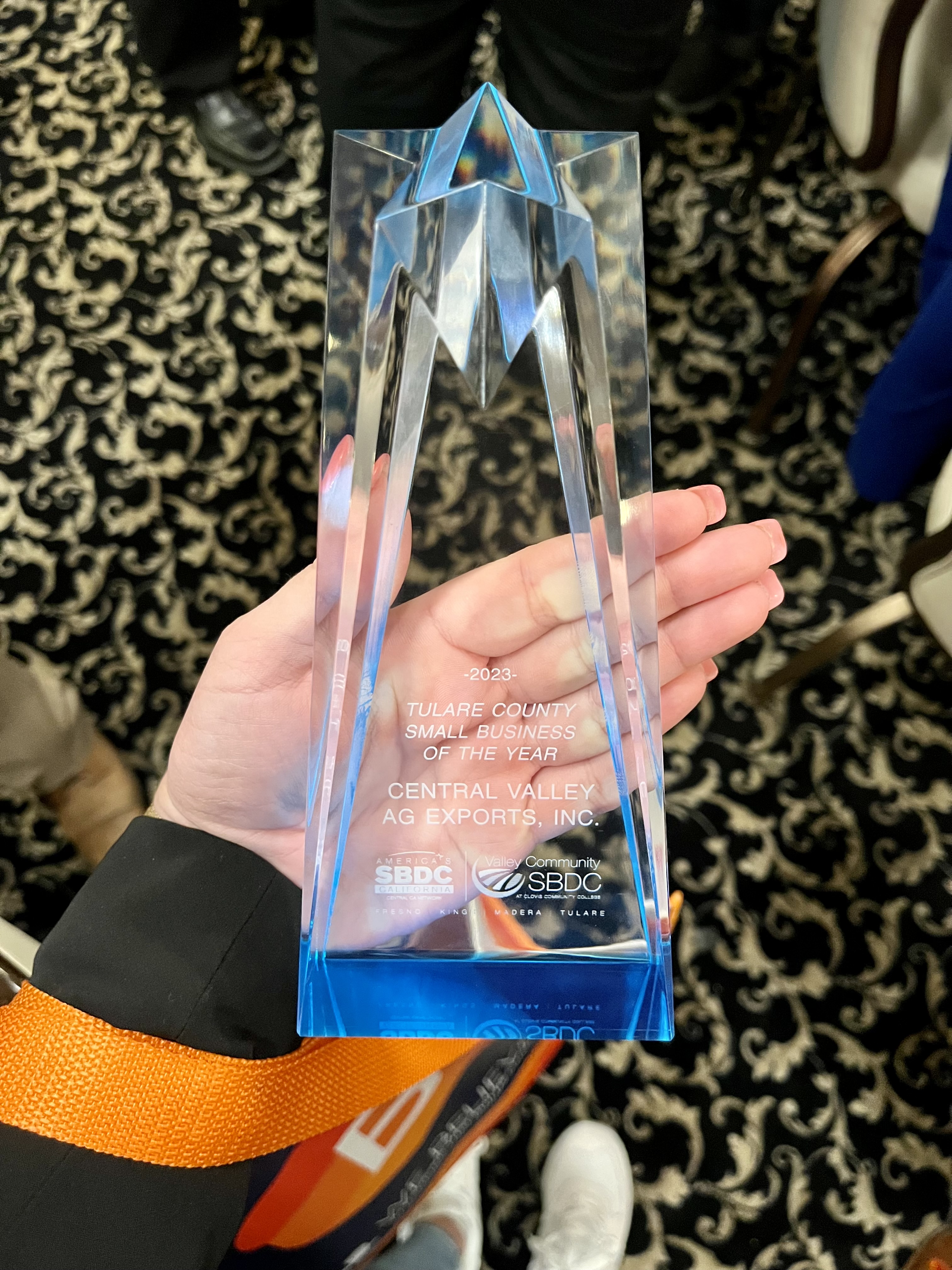
If you are reassessing packaging partners, the most useful question is not "Can you pack this?" It is "Can you execute this consistently, adapt when needed, and communicate clearly enough that my program stays on track?" For dry commodities, that consistency depends on co-packing that runs to spec, plus clarity on FOB vs delivered freight so timelines and landed costs do not drift. If you want a sense of what we prioritize as a business, read how CVAE was recognized as Tulare Business of the Year and what it reflects about our standards and community commitment.
Visit the CVAE website to learn more and start the conversation about your private label packaging needs for beans, oatmeal, or popcorn.